
"Outcome-Tested" CME
M ost continuing education offerings simply present information for the learner to decide on their own whether and how, if at all, it applies in their practice. The actual impacts of this traditional approach to continuing education are rarely studied directly. This also applies to many programs for patients and family members.
At IPCI we are about "outcome-tested" education. Rather than focusing simply on "learning outcomes", we focus on real world impact. For professionals this includes practice behaviors that can be implemented to help to move the field of integrative palliative care forward. For patients and families it means real improvements in well-being and quality of life.
The National Cancer Institute sponsored the development and evaluation of our new certificate program on Integrative Therapies in Hospice and Palliative Care. Part of the research and development of this unique program involved creating and testing a new instrument, the Integrative Practice Assessment, to identify and quantify specific actions that practitioners take that represent the delivery of integrative care.
With this approach to outcome evaluation, we conducted a randomized controlled trial with 170 physicians, nurses, social workers and other palliative care professionals. Results indicated the program led to highly significant changes in practice behaviors that promote integrative, care including:
- 78% increase in confidence understanding integrative therapies — safety precautions, evidence-based recommendations, explaining the modalities to others.
- 58% increase in practice behaviors promoting integrative care — direct actions taken with patients and families, advocacy, and organizational change strategies.
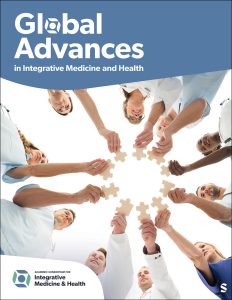 See the full study published in Global Advances in Integrative Medicine and Health.
This is the first online continuing education with documented impact on practice behaviors that promote integrative care.
Our Touch, Caring and Cancer program for patients and family members is another example of outcome-tested education. This program was also developed through NCI-sponsored research and was found to benefit both cancer patients and their caregivers. Learn more here.
Integrative Practice Assessment (IPA)
T he IPA is a new scale developed by IPCI in NCI-sponsored research for use by health care providers and organizations. The IPA can be used to assess provider self-efficacy as well as practice behaviors that support implementation of integrative care. Key concepts addressed by the scale include:
Self-efficacy in...
- Understanding safety precautions & contraindications
- Making evidence-informed recommendations
- Communicating with patients, families and colleagues
Practice behaviors that promote integrative care through...
- Direct actions with patients and clients
- Advocacy to promote integrative therapies
- Organizational culture change
The IPA is included with the Global Advances article as a supplementary file (PDF). Please notify the authors if you are interested in using the IPA so we may keep up to date on its use in the field, or if you would like to discuss details of the instrument.